The Benefits of Decentralized Storage Networks
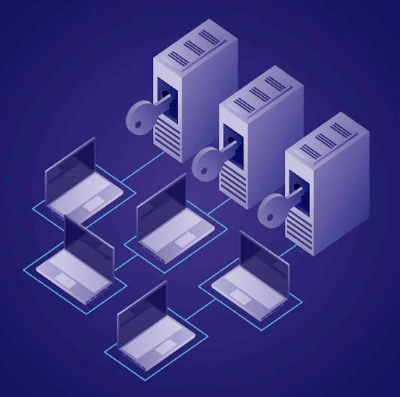
Decentralized storage networks distribute data across multiple independent nodes, enabling verifiable proofs and auditable access controls. They reduce vendor lock-in and single points of failure while improving resilience and privacy. Protocol-driven incentives align participant behavior with security and efficiency, supporting scalable, permissionless access. The architecture favors modularity and interoperable standards, inviting ongoing improvements. Yet, concrete trade-offs remain—cost models, latency, and governance structures must be weighed before proceeding. The next considerations outline practical criteria to guide implementation.
What Is Decentralized Storage and How It Works
Decentralized storage distributes data across a network of independent nodes rather than relying on a single centralized server. The system fragments and distributes files, enabling resilient replication (data redundancy) and automatic recovery. Protocols ensure verifiable storage and access control, while vendor neutrality reduces lock-in. This model emphasizes privacy benefits and scalable orchestration, aligning with freedom-minded, security-aware architectural principles.
Why It Improves Security, Privacy, and Uptime
A key advantage of decentralized storage networks is heightened resilience against failures and attacks, achieved by distributing data across multiple independent nodes rather than a single point of collapse.
Security is enhanced through redundancy, cryptographic proofs, and authenticated protocols, yet security tradeoffs emerge in key management and cross-node consensus.
Governance models guide updates, audits, and access controls, preserving uptime without compromising user freedom.
See also: How Serverless Improves Scalability
Real-World Benefits: Costs, Accessibility, and Innovation
Real-world costs, accessibility, and innovation reveal a pragmatic balance: while decentralized storage networks reduce dependence on centralized infrastructure, they introduce incremental expenses, interoperability considerations, and ongoing protocol optimization.
The approach emphasizes cost efficiency, network resilience, accessibility, and data redundancy, enabling secure, scalable access.
Informed stakeholders recognize freedom through transparent governance, robust security guarantees, and interoperable protocols that sustain resilient, permissionless innovation.
How to Choose a Decentralized Storage Solution: A Practical Framework
How should a decision-maker evaluate decentralized storage options to ensure security, interoperability, and scalability in practice? A practical framework emphasizes protocol standards, verifiable security models, and modular architecture. Consider distributed governance for transparent decision-making and incentive alignment to sustain participation.
Assess interoperability, data durability, and reward mechanisms, then compare risk-adjusted performance across networks, ensuring scalable, freedom-enhancing storage with auditable governance and resilient incentives.
Conclusion
Decentralized storage offers verifiable integrity, cryptographic proofs, and permissioned access, delivering resilient uptime and privacy-by-design. While skeptics worry about latency and complexity, robust incentive structures, cross-chain interoperability, and modular protocols mitigate overhead and streamline adoption. By distributing trust and enforcing auditable controls, networks scale securely as demand grows, lowering vendor lock-in and single points of failure. In short, secure scalability and verifiable resilience make decentralized storage a pragmatic backbone for modern, privacy-conscious data ecosystems.